
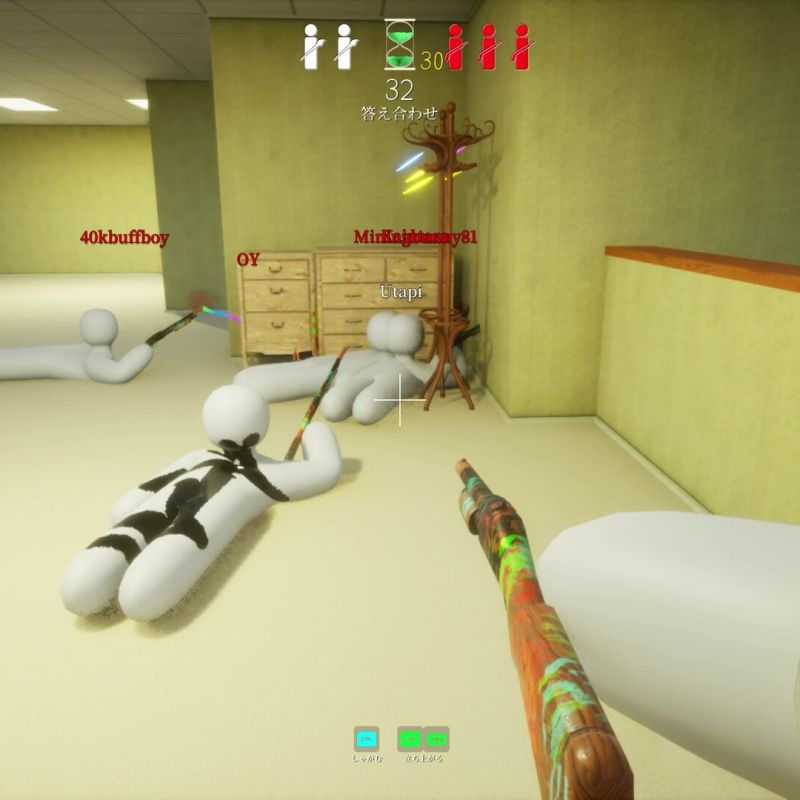
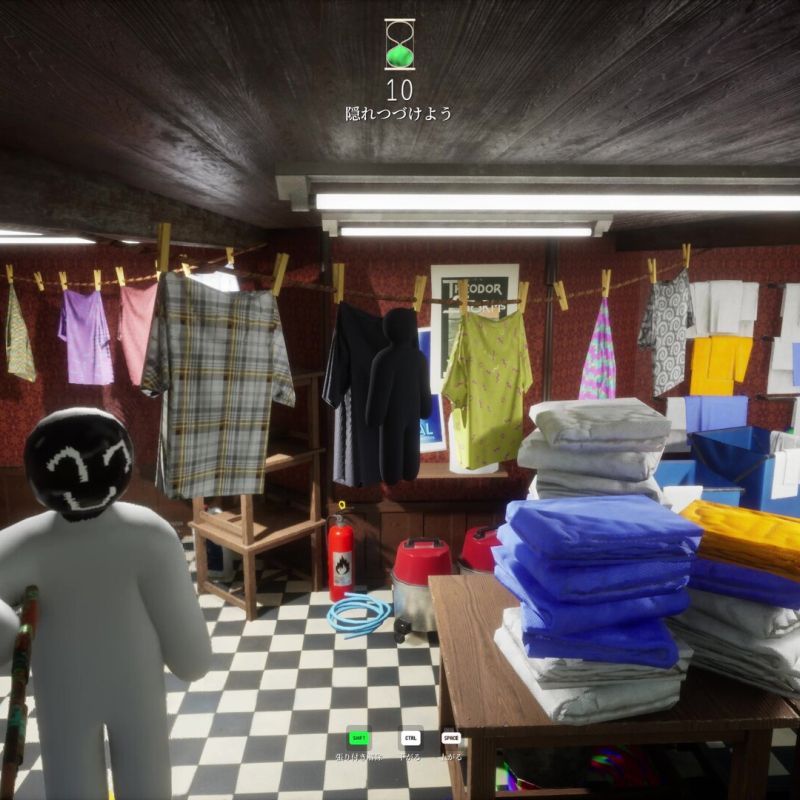
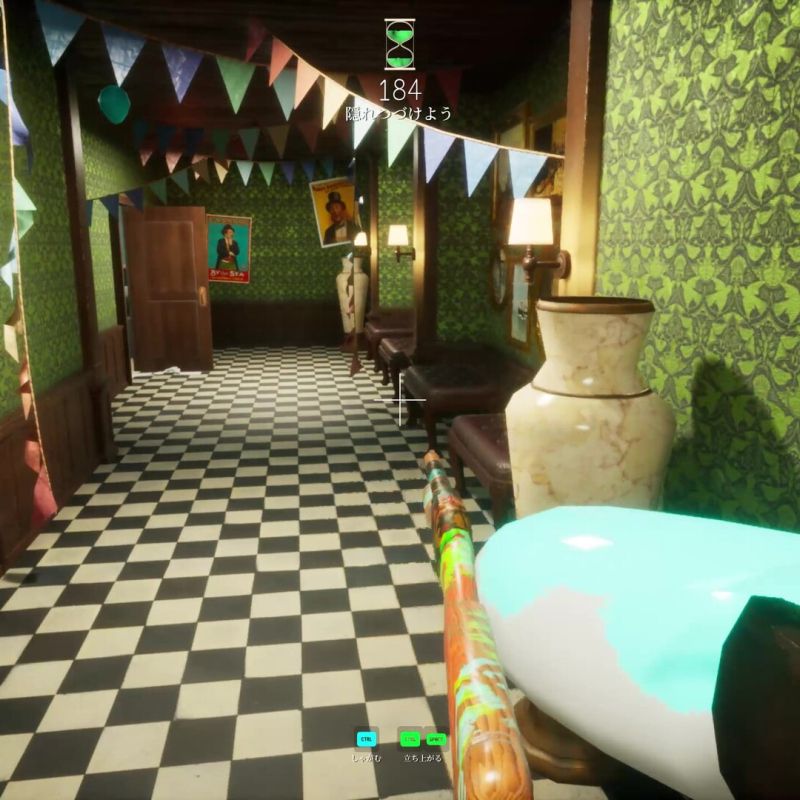
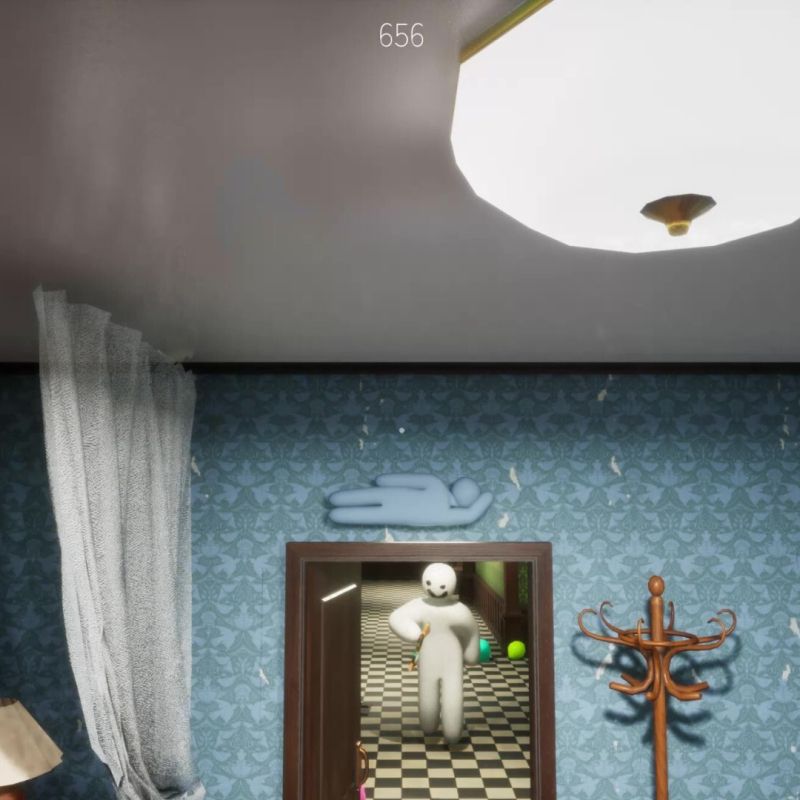

Meccha Chameleon Review: A Fast, Focused Platformer That Rewards Precision review
Meccha Chameleon is the kind of game that reminds me why I still get excited about indie platformers, even after years of seeing the genre reinvent itself in every direction. It takes a simple idea, throws in a sharp sense of motion, and then keeps escalating the challenge until you’re equal parts impressed and slightly harried. If you enjoy games that reward quick thinking, clean movement, and repeated attempts that slowly start to feel like mastery, this one deserves a close look. It is not trying to be massive or cinematic; it is trying to be clever, fast, and memorable.
At its core, Meccha Chameleon is about movement and adaptation. The “chameleon” part is not just flavor text. The game constantly asks you to shift your approach based on the environment, enemy patterns, and the exact timing of your jumps. That gives each stage a nice puzzle-like edge without ever losing the momentum of a platformer. You are not just reacting; you are learning the rhythm of each level until it clicks. That moment when the level finally opens up and your hands know what to do before your brain catches up is where Meccha Chameleon really shines.
Fast, clever, and always one step ahead
The first thing I noticed was how confident the game feels. It does not waste time with overlong tutorials or bloated systems. It teaches you by doing, then trusts you to adapt. That works well because the controls are the kind you want in a precision platformer: responsive, readable, and built for repeat attempts. When you fail, it rarely feels unfair. More often, you realize you pushed too early, drifted too far, or mistimed a movement you thought you had mastered. That loop is addictive in the best possible way.
There is a strong arcade spirit here. Meccha Chameleon understands that “fun” can come from pressure, not just power fantasy. It makes you work, but it also gives you enough room to improve quickly. I especially liked how its level design avoids feeling samey. Even when the core mechanics stay consistent, the stage layouts keep changing the equation. One run asks for patience, another for speed, and another for precise chains of movement that feel almost musical once you get them right.
Presentation that supports the action
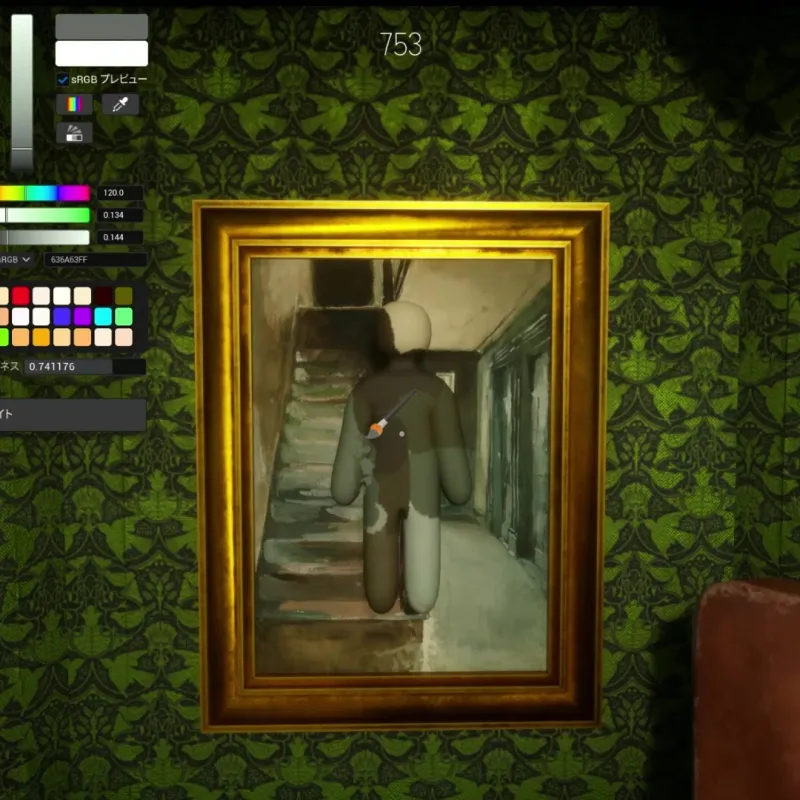
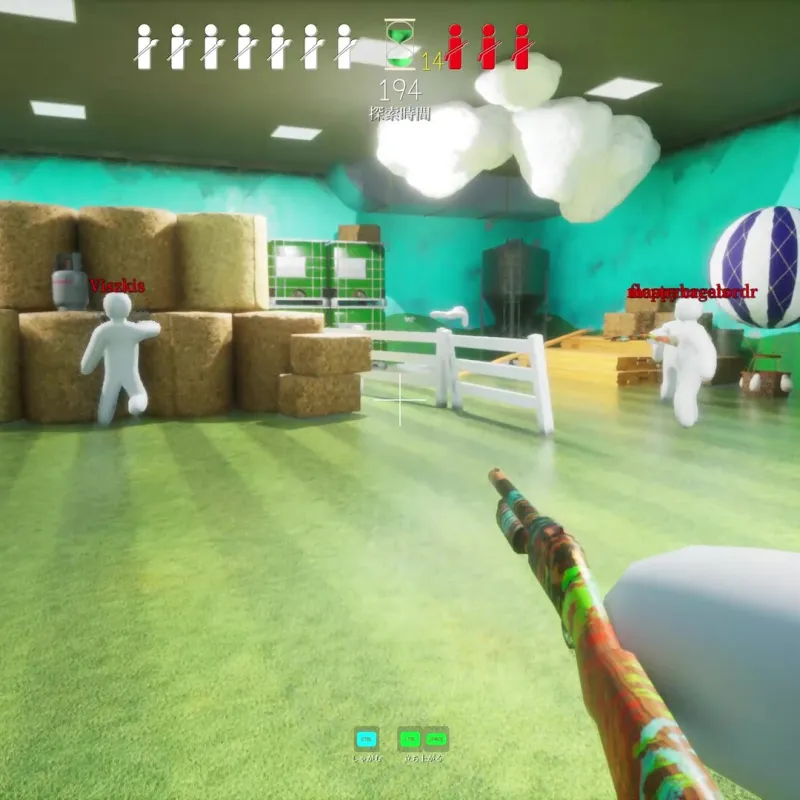
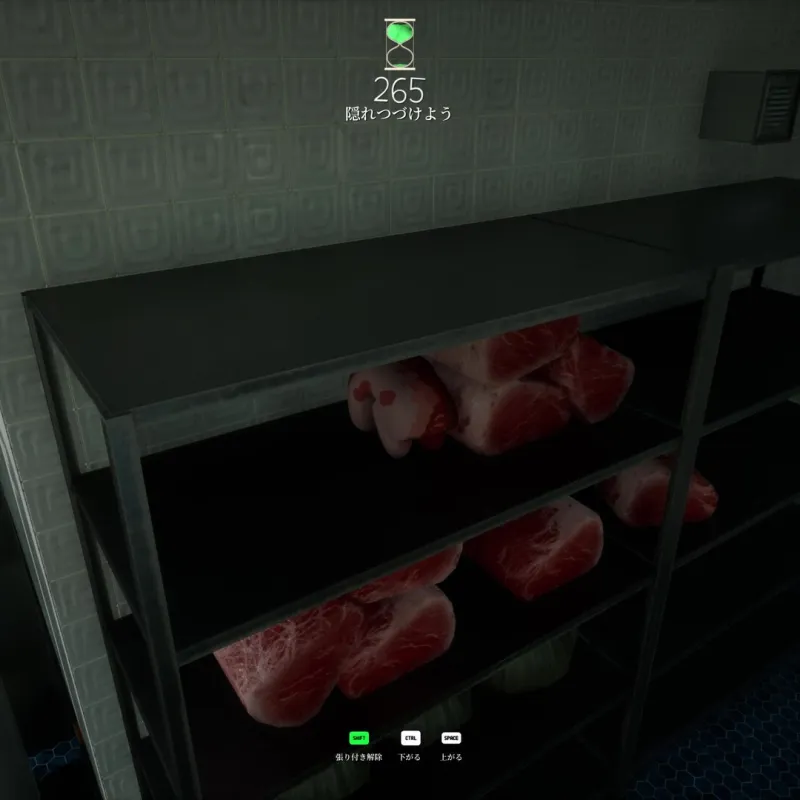
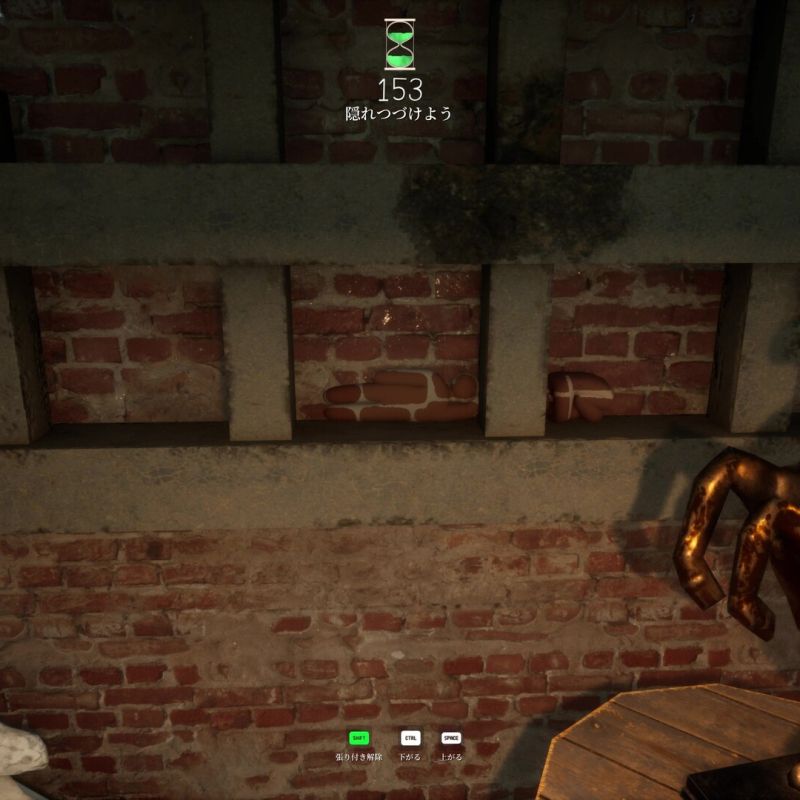
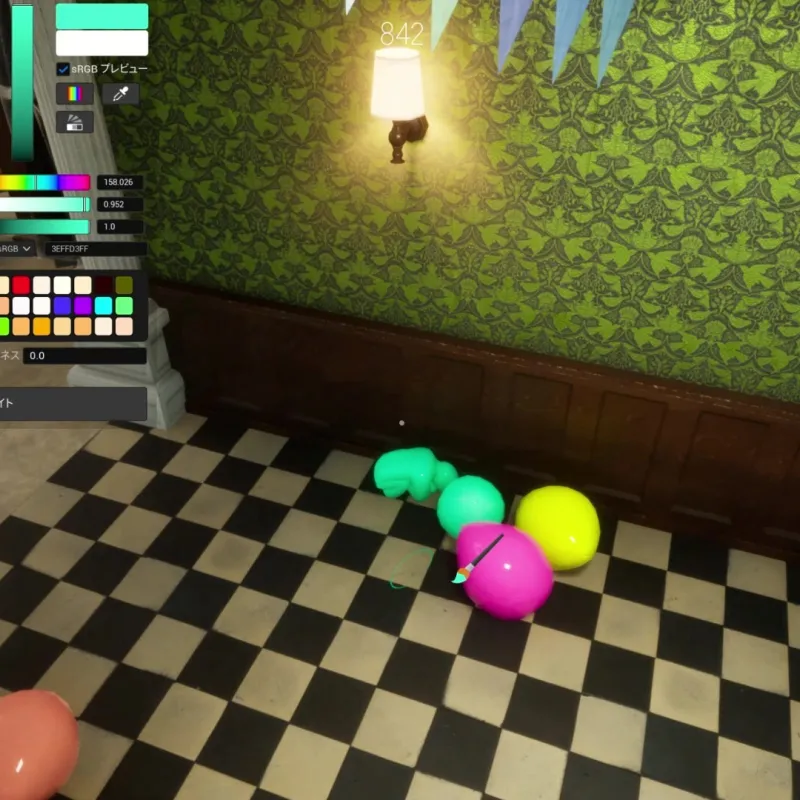
Visually, the game leans into clarity first, style second, and that is exactly the right call. The art direction is lively without becoming noisy, so you always have a good read on hazards and safe routes. That matters a lot in a game like this, where reaction time is part of the appeal. The animation work is especially important because it gives each movement enough personality to make the controls feel tactile. You are not just pressing buttons; you are guiding a character through a frantic little dance.
The sound design follows the same philosophy. Nothing overwhelms the screen, but everything supports the action. Impacts, jumps, and enemy cues all do useful work, and that makes the game easier to parse under pressure. I also appreciate when a game lets its music drive momentum without turning into a wall of noise. Meccha Chameleon keeps that balance nicely. It sounds like a game that wants you to stay focused and keep moving, which is exactly what it should be.
Challenge that respects your time
One of the best things about Meccha Chameleon is that it understands the difference between difficulty and busywork. There is challenge here, no question, but it is the kind that encourages you to improve rather than just memorize cheap surprises. The learning curve is real, though never so steep that it becomes discouraging. You will probably need several attempts to clear later sections, but each attempt teaches something useful. That is a huge point in its favor.
For experienced players, that means the game stays engaging longer than many smaller platformers. For newer players, it means the game is approachable as long as they are willing to learn. It never feels like it is showing off for its own sake. Instead, it keeps asking, “Can you read this room, adapt, and keep your flow?” That design philosophy gives Meccha Chameleon a confident identity. It knows what it is, and it does not pad the experience with unnecessary systems.
Replay value and that one more run feeling
This is the sort of title that naturally invites replay. You finish a stage and immediately think about how much cleaner your route could have been. You spot easier jumps, tighter lines, or safer timing windows only after you have already cleared the section once. That is the sneaky appeal of a well-built platformer: improvement becomes its own reward. If a game can make me replay a section just to polish my execution, it has earned its place on my hard drive.
There is also something satisfying about the way the game uses momentum. The better you get, the more enjoyable the movement becomes, and the more the whole experience starts to feel personal. This is where a lot of players will start looking for extras like cheats or mods, but honestly, Meccha Chameleon feels strongest when played straight. The design is built around learning the intended routes, not bypassing them. If a future mod scene appears on supported community platforms, that could be interesting, but the base game already stands on its own.
Where it sits among modern indie platformers
In a crowded field, Meccha Chameleon stands out by being focused. It does not pile on feature creep or pretend to be something bigger than it is. That restraint works in its favor. A lot of indie games end up trying to be a platformer, a puzzler, a roguelite, and a narrative experiment all at once. This one chooses a lane and drives hard. The result is a cleaner experience that feels designed by someone who genuinely understands why people still love 2D action games.
If you are the type of player who likes to download something, learn it quickly, and then dig into the subtle layers beneath the surface, this will likely land well. It is easy to recommend because it respects your skill and your attention. It does not waste either. I would also say it has strong “one session turns into three” energy, which is always a good sign for an action-platformer. The game invites you to play just a little longer, then rewards that decision with tighter runs and better results.
Verdict from an old platformer fan
Meccha Chameleon is a polished, cleverly built platformer that leans on clean movement, smart stage design, and a rewarding difficulty curve. It is not trying to be the biggest game on the market; it is trying to be the one you remember because it plays well and respects your time. That is a trade I will take any day.
For players who enjoy precision, repetition with purpose, and the satisfaction of seeing your own execution improve, this is an easy one to install and keep on your shortlist. If you just want something quick and free of unnecessary clutter, Meccha Chameleon keeps things refreshingly focused. It may not be for everyone, especially if you prefer slower adventures or sprawling systems, but for the right audience it has a lot of charm and a surprisingly strong grip.
My final take: Meccha Chameleon is worth your attention if you want a sharp, responsive platformer that rewards practice without becoming exhausting. It feels tuned by people who know what makes these games tick, and that craftsmanship shows in every stage.
How to download Meccha Chameleon
Availability & Launch: Meccha Chameleon can typically be accessed through its official store page or publisher listing. If a free version or demo is offered, it will usually be labeled clearly before you download. Always check the current release page for pricing and region availability.
Platforms: The game is commonly expected on PC platforms, and any console or mobile availability should be confirmed through the official listing. If a platform is not supported natively, you may need a cloud service, emulator, or remote play solution where permitted. Check the download page for the latest platforms before you install.
Install: To install, download the official build, open the installer or app package, follow the on-screen prompts, and launch the game from your library or desktop shortcut. If the game is delivered through a client, sign in first and let the client finish verification before you play.
System Requirements: On PC, a modest modern processor, 8 GB RAM, and an integrated or entry-level GPU should usually be enough for a lightweight indie title. Mac and Android support, if available, will depend on the official build; use the store page for exact minimum specs before you install.
Cheats / Mods: Cheats and mods are not typically built into the base game. Community mods may appear later if the developer allows them, but only use trusted sources and avoid files that could break your install or violate platform rules.
Unblocked Access: Whether it can be played unblocked at school or work depends on local filters and network policy. If access is restricted, you may need to use an approved network or play from home. We recommend checking the official platform rules before attempting to download or launch it in a restricted environment.